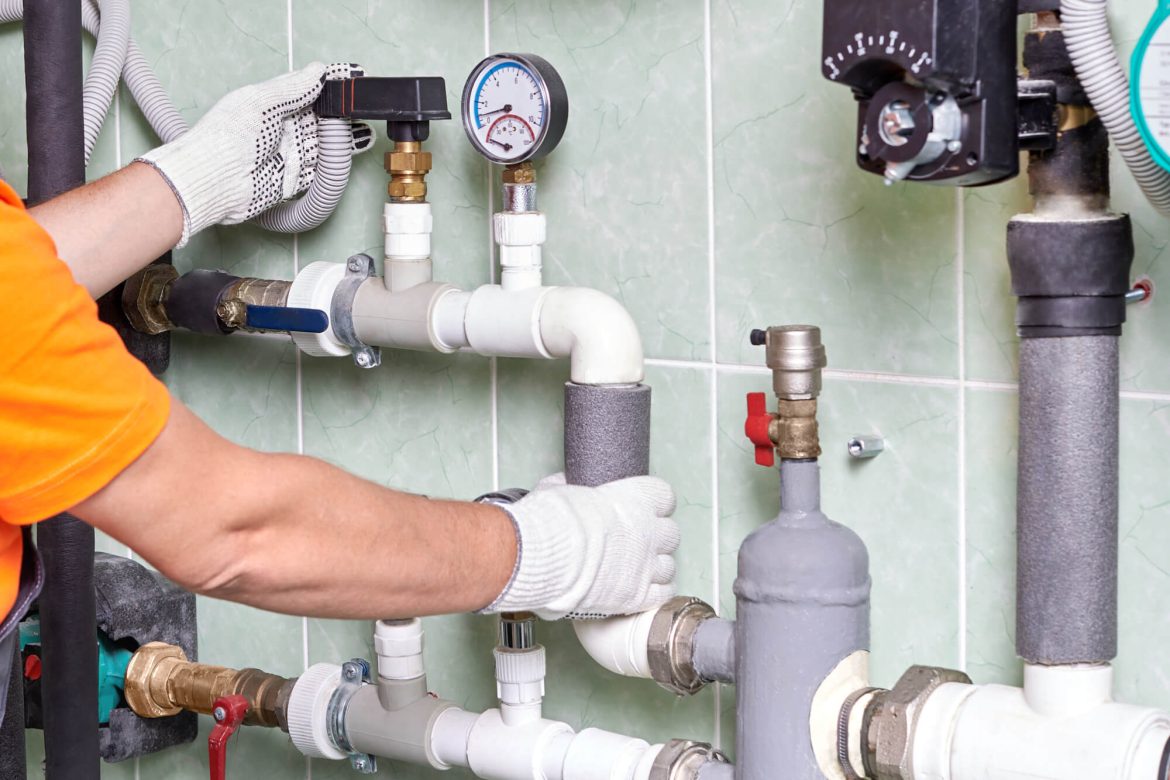
A dripping faucet rarely causes a home’s worst water losses. Larger volumes escape through pipes hidden behind drywall. An average household can waste nearly 10,000 gallons yearly. Most of that slips away long before a stain shows on the ceiling. A skilled plumbing contractor in garland traces these losses with proven precision. Meter readings, dye tablets, acoustic sensors, and thermal cameras expose different clues. Knowing each tool’s strength helps homeowners act before damage spreads.
The Water Meter Reveals Silent Losses
Every home already owns its simplest leak detector. Shut off all fixtures, then record the meter reading. Wait two hours without running any taps. If the number climbs, something is leaking somewhere. A small triangle dial spins at even tiny flow rates. An overnight test, with taps idle, sharpens accuracy further.
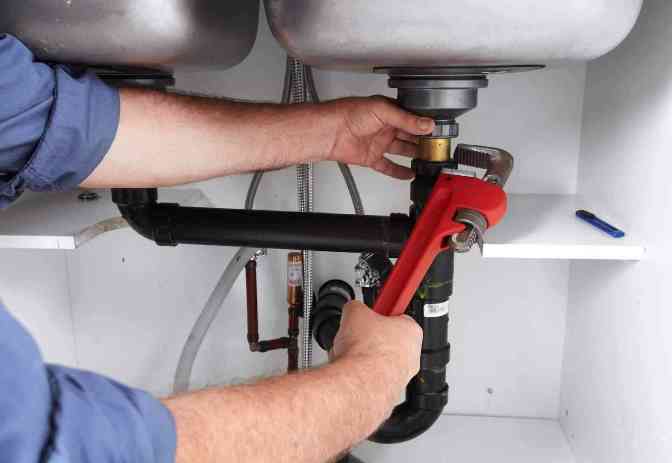
Why Do Toilets Hide Major Losses?
A worn flapper can waste 200 gallons daily. Because the trickle is faint, owners ignore it for months.
- Squeeze food coloring into the toilet tank.
- Leave the toilet unflushed for fifteen minutes.
- Tinted water in the bowl confirms seepage.
- A new flapper resolves the problem cheaply.
Acoustic Sensors Hear What Walls Hide
Pressurized water escaping a pipe produces a distinct hiss. Ground microphones amplify that sound through soil, tile, or concrete. Technicians compare readings to find the loudest point. A seasoned plumbing contractor in garland relies on this approach for slab leaks. Rather than breaking an entire floor, crews open one patch.
Can Thermal Cameras Spot Hidden Moisture?
Yes, and without touching a single wall. Evaporating moisture cools surfaces, while hot lines warm them. Infrared cameras display these temperature shifts as colored patches.
- Cold patches signal damp insulation.
- Warm streaks follow hot lines.
- Moisture meters verify each reading.
- Images show where cutting begins.
What Does Pressure Testing Actually Prove?
Gauges answer questions that eyes cannot. Plumbers isolate a line, pressurize it, then watch the needle. A steady reading clears that pipe. A falling one confirms a breach along its length. This test narrows a search before any digging starts. Older galvanized lines tend to fail first.
Small Meter Dials, Big Municipal Savings
Ten thousand gallons per home sounds manageable in isolation. Across 500 homes, that becomes five million gallons. Treatment plants must purify and pump every one of them. Fixing one hidden drip is personal; fixing hundreds is civic. That small triangle dial protects more than one budget. It measures a whole community’s water future.
Frequently Asked Questions
How often should a home be checked for leaks?
A quick meter test every few months catches problems early. Older homes with galvanized pipes benefit from yearly professional inspections.
Are slab leaks expensive to repair?
Costs depend on pipe depth and how easy access is. Acoustic location keeps excavation small, which lowers the final bill.
Can a single leak raise a water bill noticeably?
A running toilet alone can add dozens of dollars monthly. Hidden supply-line breaks often cost even more before discovery.
Does homeowner insurance cover leak damage?
Sudden pipe bursts are commonly covered under standard policies. Gradual damage from neglect is frequently denied, so early detection pays off.